
Making sure you add enough protein to your diet and specifically to every meal and snack is very important for a large number of reasons. Please continue reading and find out all you need to know about protein in your diet.

The Facts
- Protein is an essential nutrient – a vital part of living tissue
- Our bodies contain 65% water and 25% protein
- Protein is made up from 20 different amino acids, joined together in long chains
- There are 9 essential amino acids that we have to get from food, and the other 11 can be synthesised within our bodies from the essential amino acids we have consumed.
- Whilst proteins can be classed as complete (containing all 9 essential amino acids) or incomplete, as long as there is a mixture of proteins in a meal, nutritional needs can be met. For example eating rice and beans would provide a complete protein meal.
- Recommended intake for healthy adult males is 56g per day, or about 10% of energy intake. Protein needs increase if you’re recovering from an illness or injury, or if you’re underweight.
Good lean sources of protein
- Fish – cod, salmon, sardines, tuna
- Seafood – prawns, oysters, scallops
- Eggs
- Dairy: cheese, yoghurt, cottage cheese
- Quinoa
- Soya – beans, tofu, miso
- Beans – kidney, butter, pinto, haricot, aduki, mung, fava/broad,lima, flageolet, borlotti
- Peas
- Chickpeas
- Lentils
- Brown rice
- Pumpkin seeds, sunflower seeds
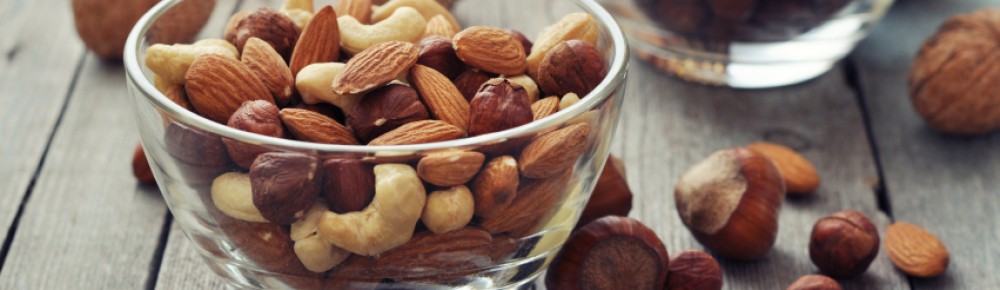
- Nuts: almonds, cashews, peanuts, pecans
- Spinach, broccoli, asparagus, cauliflower
Functions of protein in the body:
Integral part of body tissues, such as muscles, connective tissue, skin and hair.
Keeps the immune system functioning properly.
Used in the production of enzymes, hormones, transport proteins, neurotransmitters and antibodies.
Binds and carries certain vitamins and minerals.
WARNING! When calorie intake is restricted, for example, in a low fat and low carbohydrate diet, protein will be used as a source of energy, rather than being used for protein synthesis.
Symptoms suggesting a need for higher protein intake:
- Weight loss
- Muscle wasting or poor muscle tone
- Fatigue and weakness
- Frequent infections
- Poor skin, hair and nails
- Poor digestion due to reduction in enzyme production
- Poor blood sugar control
- Apathy and depression due to reduction in neurotransmitter production
- Deficiencies in vitamins A and D, Copper, Calcium and Iron
To improve protein synthesis in the body:
Increase the overall calorie intake of the diet by increasing intake of carbohydrates and good fats, so that the body is not using protein as an energy source
Aim to eat at least one protein rich food from the list above at every meal
Base the main meal of the day on fish, eggs, dairy or soya, or beans and rice.
If blood sugar levels are an issue (fatigue, energy slumps, cravings) have a mid morning and mid afternoon snack of a complex carbohydrate and protein. For example: hoummous and celery or oatcakes; a banana and a handful of nuts; cottage cheese on rye bread.
If appetite is poor, a protein shake (Nutri’s Ultra Meal or Solgar’s Whey to Go) could be introduced as a supplement to breakfast or as a snack during the day, made into a smoothie with milk (or dairy substitute) or fruit juice, and soft fruit, such as berries and banana.
If you are interested in an individualised programme to improve your diet or would like help with health issues, please call Emily Fawell DipION, Nutritional Therapist on 07967 639347 or contact me via email Emily@4wellpeople.co.uk. Also, read more about my nutritional therapy practice in Ealing.


